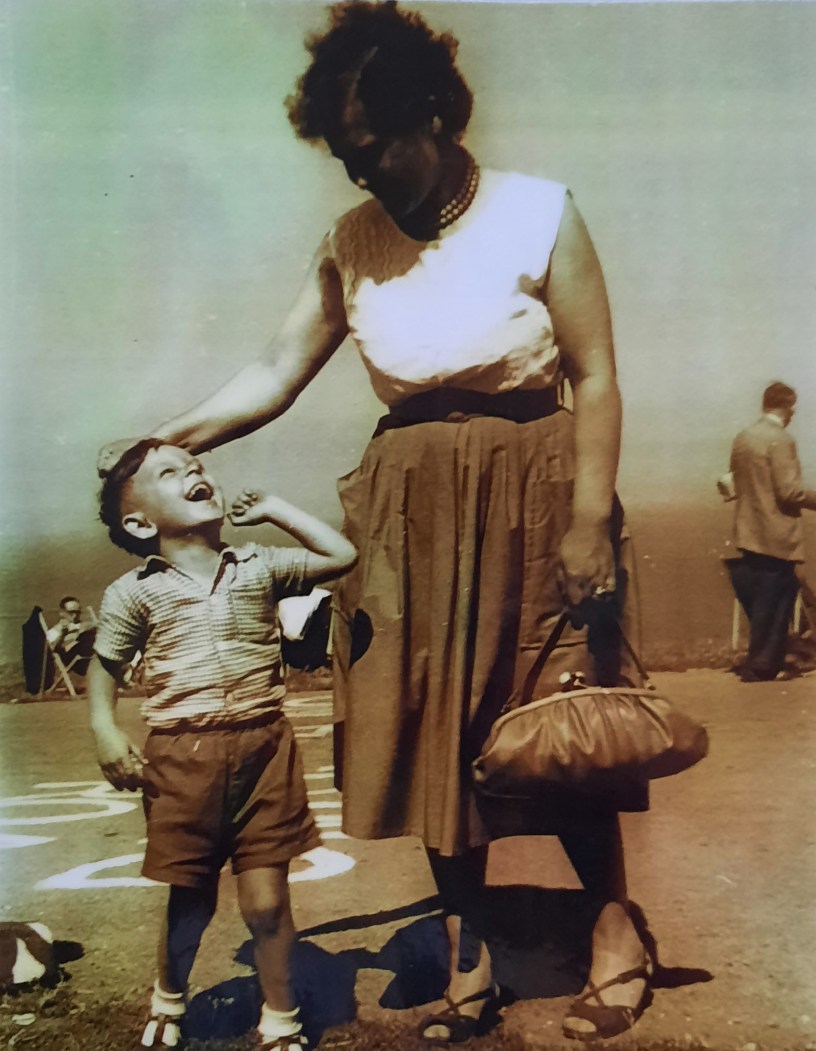
“Steve if you had nothing to worry about you would find something” “thanks mum.”
The best person to write about worrying is a worrier who is trying to control his worrying.
When I first mentioned to friends that I was thinking about drafting an article about ‘worrying’ I was surprised by their reactions – they were worriers too (and I thought it was just me). They hoped my experiences and coping mechanisms would help them.
So, what is ‘worrying’? To think about problems or unpleasant things that might happen in a way that makes you feel unhappy and frightened.
What are the things that cause me to worry?
- Things I do not understand.
- Things I have not experienced before and I am going to have to do them for the first time and I worry about looking a fool.
- Things I have no control over (or I cannot influence).
- Letting people down because I have not been able to complete the task given to me.
- Things that are important and significant in my life e.g. my family – are they going to be safe and secure?
- The future
Sounds familiar? So here are:
My ten coping Mechanisms that help me and may help you with worrying.
- Distractions. Especially when you have too much time on your hands to over think potential situations that have not happened yet. I find if I have alternative things to focus on these activities distract me from what I am worried about. It could be writing this article or doing the family ironing (honestly, I find this therapeutic)
- Setting Routines. It helps me with my mental health – I feel in control when I have routine(s). Having set routines at certain times, both for physical exercise and mental health exercises, stops me going into free fall. Related: https://leadershipintheraw.org/2024/10/27/the-importance-of-routine/
- Do not lie in bed worrying, get up and take some kind of action. What is the point of staring at the ceiling at 4am worrying, you might as well get up and do something positive. Often when I worked from home, I would either prepare for the potential thing I was worrying about or take the action I needed to make instead of putting it off.
- Reflect on when you have been in a comparable situation – how did you react? What worked? Do that!
- ‘Eat the Frog’ What is the most challenging but potentially rewarding task that you can do today? Do not put off doing it until the end of the day – you will waste time doing less important things and worrying about how you still must “eat the frog.” Write it down. Make it your first task of the day and then relax.
- Practice ‘Mindfulness’ Leaving behind and not worrying about the future. Being happy and content in the present (previously I have been obsessed with things and events, past, present, and future). I make the intention to stay calm and conscious throughout the entire day. Instead of hurrying from one thing to another, trying to do too many things at the same time, I now focus on the activity at hand. This is what Bettina does: https://leadershipintheraw.org/2016/03/10/being-bettinas-dad-bettina-transforming-my-life-with-mindfulness/
Analyse the worry and ask:
- What level of control do I have over the events I am worrying about?
- What I am worrying about – is it my responsibility? or am I worrying on behalf of others.
Gain perspective:
- That thing I am worrying about now; will it be an issue in six months’ time? Often you will not even remember that worry.
- Something Joyce (my wife) repeatedly tells me when I am worrying: Has/will anybody die? Will WW3 breakout?
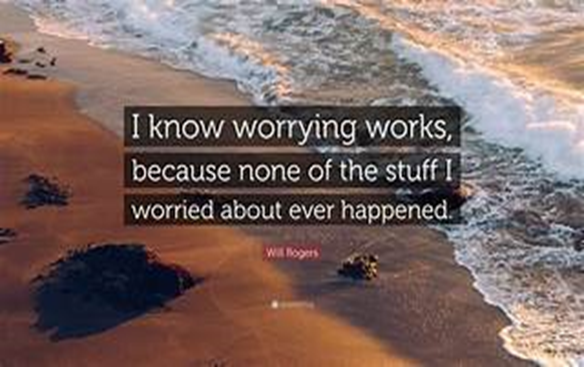
This happened last night and when I logged on to my computer this morning, the situation which kept me awake had resolved itself.
Do not worry It is not all bad – the positive side of being a worrier.
15 years as a Managing Director for the company I recently worked for – stuff rarely went wrong as an organisation because:
- I had anticipated every conceivable situation that may arise. I then applied a ‘What if’ for each scenario?
- I did not become complacent. No matter how successful we were there was a banana skin around the corner waiting for us to slip on. It helped us maintain a competitive edge.
- I did not hide from a situation I was worrying about.
- Worrying made me focus on the task in hand.
It is not all bad because:
- It gives you a heightened awareness considering all eventualities.
- It shows you care.
- It demonstrates that you are still enthusiastic and committed about life and your work.
- It provides the rocket fuel to be better.
It also rarely went wrong because I surrounded myself with talent: https://leadershipintheraw.org/2022/04/14/the-3rd-leadership-lesson-i-learned-surround-yourself-with-talent/
Source: Steve Raw www.leadershipintheraw.org
Related:
‘Managing my Mental Health – Landlord and Tenant’ by Joyce Raw
‘Cutting down the Odds’ (on stuff going wrong)
 Leadership in the Raw